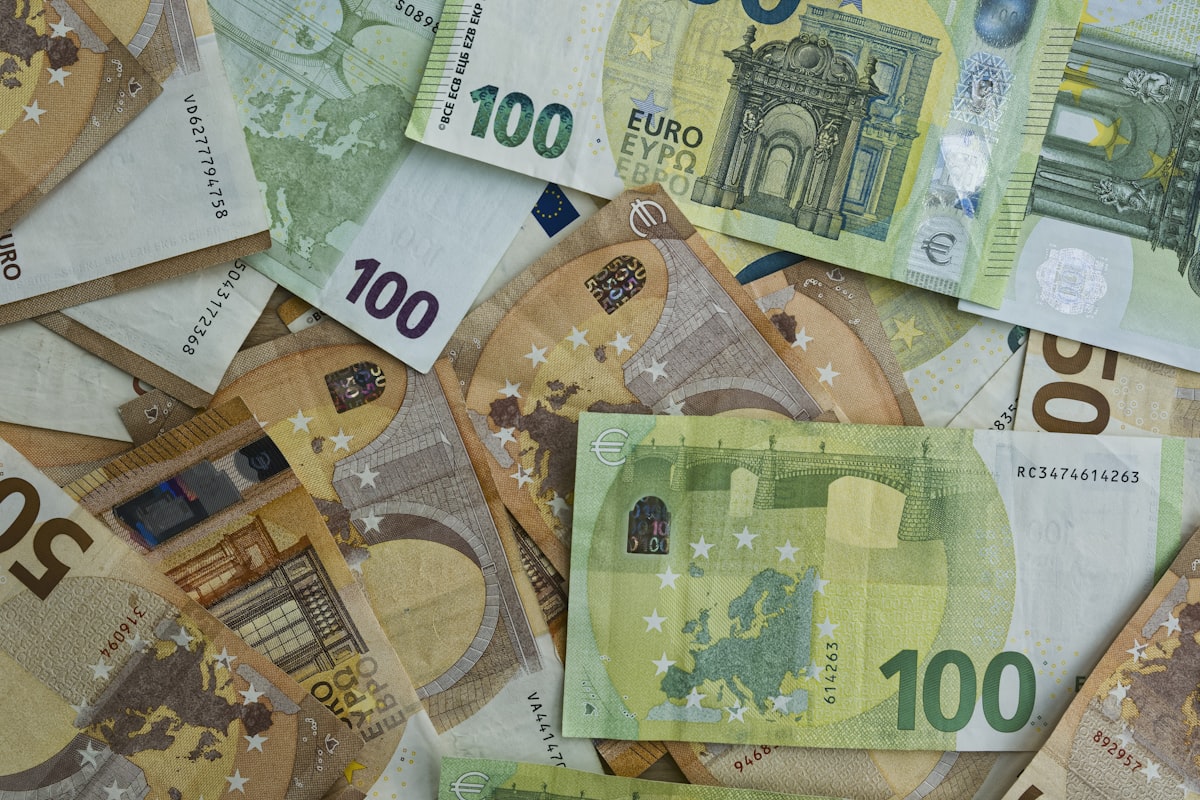
Almost every trip ends with a drawer of leftovers: a few notes you didn't spend, a pile of coins, and an envelope you tell yourself you'll use next time. Here's what to do with it, how selling back works and how to avoid wasting money on it in the first place.
Selling back uses the "You Get" rate
When you buy foreign currency at a KL changer, you pay the "You Pay" rate. When you sell it back, you receive the "You Get" rate, and that is always lower than "You Pay". The gap between the two is the changer's margin, so a round trip (ringgit to yen and back) loses a little every time.
Rule of thumb
Sell back what you won't use within the year, keep what you will, and compare "You Get" rates before choosing where to sell.
That's why overspending on the first exchange is the real mistake: every note you carry back is a note you pay the spread on twice.
Coins are the problem
KL changers generally buy banknotes, not coins, so spare coins usually aren't worth anything to a changer. Spend them before you leave:
- at the airport, on a coffee, a snack or a convenience-store item,
- at a vending machine or on a transport top-up,
- in a donation box at a temple, shrine or charity counter if you can't use them anywhere else.
Many airports also have a charity coin box near the departure gates. Because coins can't be sold back, it's worth tracking them while you travel and keeping a small amount aside rather than collecting them all.
Check your notes
Changers can refuse or give a lower rate for notes that are torn, marked, heavily worn or from an old series. Keep your notes flat and in an envelope, and check for damage before you leave the country. If you hold an old-design note, ask the changer whether they still accept it before you travel across town.
Keep it for the next trip
If you're likely to visit the same country again soon, keeping the notes can be the cheapest option, because you avoid paying the spread twice. This works best for stable, widely used currencies such as US dollars, euros, Singapore dollars and Thai baht, which you can use on your next trip. Store it somewhere safe, and remember that rates move, so keeping it for a year is a bet on the exchange rate as well as a saving on the spread.
Minor currencies are harder to sell
Currencies that fewer people travel with, such as the Turkish lira, are more likely to be bought back at a weaker rate, in smaller quantities or not at all. Not every changer stocks every currency, so a shop that sells it to you may not buy it back. For these, it's worth calling ahead, or at least checking the live "You Get" rates on our table, before you make a special trip.
How to get the best "You Get" rate
- Compare first — rates differ between changers, and the best place to buy isn't always the best place to sell back.
- Check the unit — some rates are quoted per 100 or per 1,000, so look at the unit before you compare.
- Sell larger amounts in one go — a trip across town for a few banknotes may not be worth the time.
- Avoid the airport — the arrivals counter is convenient, but the margin is usually wider.
- Don't use a card to convert leftovers — if you've loaded a multi-currency card, spend the balance on your next trip, or follow the provider's withdrawal rules.
Next time, bring less
The easiest way to avoid leftovers is to exchange a little less than you think you need and use a card for the rest. For a rough guide to how much cash to bring, see the destination guides, and use our table to compare the live rate for your currency before you go.