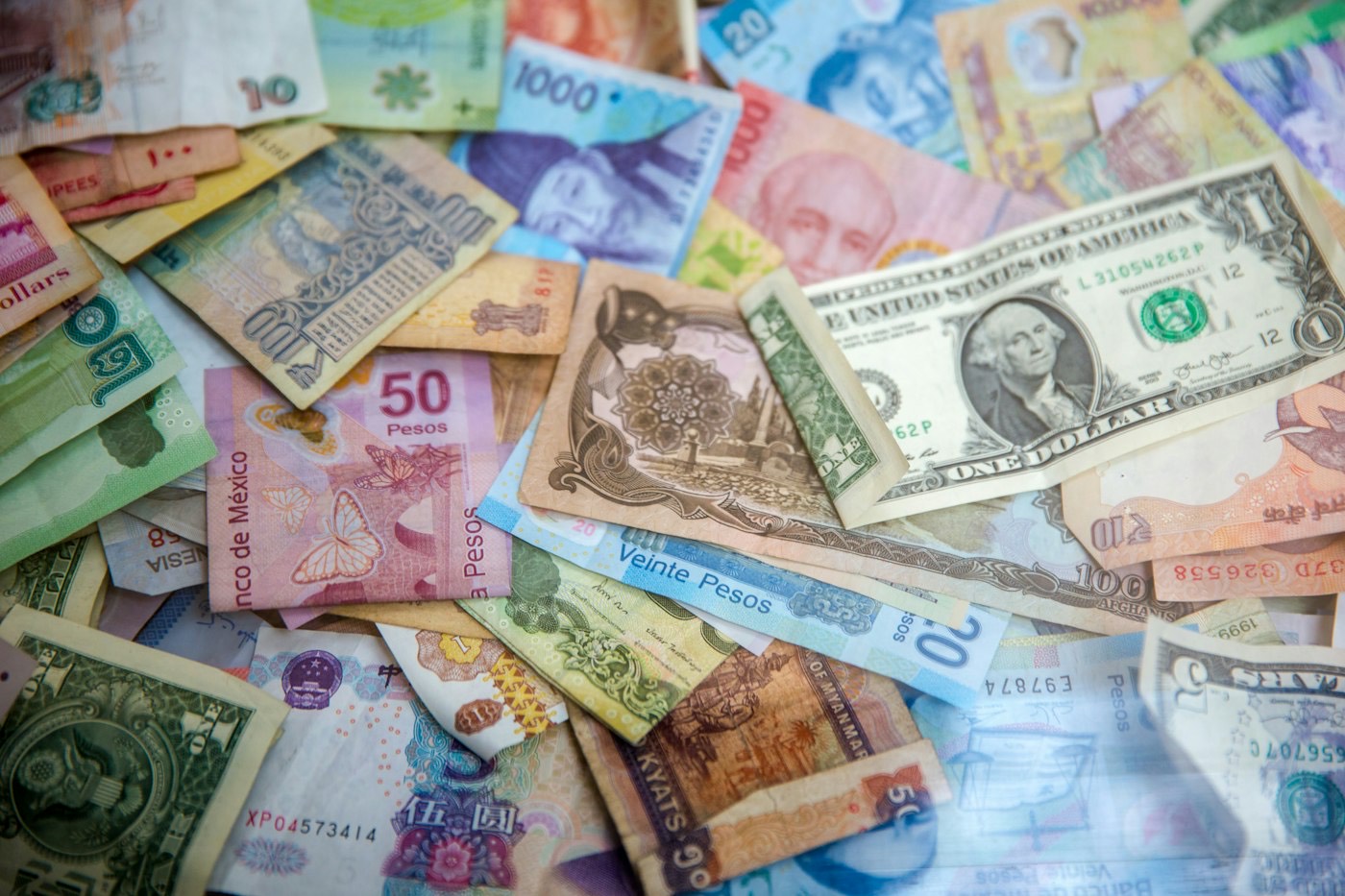
Malaysian travellers now have more choices than ever: cash from a KL changer, a bank credit or debit card, a multi-currency card or e-wallet such as BigPay, Wise or YouTrip, or a wallet like Touch 'n Go eWallet that works at selected overseas merchants. None of them wins everywhere. The smart answer is almost always a mix, and the right mix depends on where you're going.
The short answer
Carry some cash and some card. Cash gives you a rate you can see and lock in before you leave, and it works where cards don't. Cards give you safety and convenience for bigger spends. Keep a second card or wallet as a backup in case one is blocked, lost or declined.
Rule of thumb
Use cash for the first day, markets, small eateries, tips and transport. Use a card for hotels, big meals, shopping and anything you might need to dispute. Never rely on a single payment method.
When cash wins
- Cash-first destinations — in places such as Japan's smaller towns, Taiwan's night markets and much of Vietnam, many small vendors still prefer notes.
- Tips and small payments — a few small notes go a long way where cards can't take a tip.
- A rate you can see — at a KL changer you see the "You Pay" rate on the board before you hand over a ringgit, so there are no surprises on your statement later.
- Backup if the system fails — card terminals go down, networks drop and cards get blocked abroad, so cash is your safety net.
When cards win
- Larger purchases — hotels, tours, rental cars and shopping are safer on a card, because you can dispute a charge and you aren't carrying a large amount around.
- Cashless countries — in places such as the UK, New Zealand and parts of Scandinavia, you can go days without touching a note.
- Transport — contactless cards work on some metros, such as London's and Hong Kong's MTR, so you can skip buying a separate card.
Pay in local currency, not MYR
This is the single biggest trap. At a shop or on an ATM screen you may be offered the choice to "pay in MYR". This is dynamic currency conversion (DCC), and it lets the merchant or ATM operator choose the exchange rate rather than your bank or the card network. The rate is usually worse, and the final charge may include a markup that isn't obvious.
Always choose the local currency. If a terminal asks "pay in ringgit or yen?", choose yen. If it's an ATM, decline the conversion offer and let your own bank handle it.
ATMs and card fees
Withdrawing cash abroad can add up through several layers of charge: your bank or card provider's foreign-transaction or withdrawal fee, the ATM operator's own fee, and the exchange rate used. Fees and limits differ between providers and change over time, so check your card's current terms before you travel rather than assuming. Also check:
- how much you can withdraw per day and per month,
- whether your card works with the ATM networks at your destination, and
- whether you need to switch on overseas use in your banking app.
If you withdraw, take larger amounts less often rather than many small withdrawals that each carry a fee. Our table shows the live rate you'd get at a KL changer, which is a handy benchmark for judging whether a card's rate is competitive.
Multi-currency cards and e-wallets
Multi-currency cards and wallets let you load ringgit, convert to a foreign currency in the app and spend it with a card, usually at a rate close to the market rate. Some let you lock in a rate before you travel. They are useful as a backup, a second card or a way to avoid your main bank card's foreign fees, but the details, including conversion margins, ATM limits and top-up rules, differ by provider and change often. Read the current terms in the app and compare them before you load a lot of money.
Touch 'n Go eWallet also lets you scan to pay at selected merchants overseas through Alipay+, deducting ringgit at the point of payment. Check the app for the list of supported countries before you rely on it.
A simple cash and card split
- Cash-heavy trip (rural Japan, small-town Vietnam, markets): about two thirds cash, one third card.
- Mixed trip (Thailand, Korea, Taiwan): around half and half, with cash for street food and transport.
- Card-first trip (UK, Europe cities, New Zealand, Australia): a small cash float, plus two cards.
Whatever the split, compare the live rate for your destination currency on our table before you exchange, and keep cash and cards in separate places in your bag.